

NEUROTHERAPY
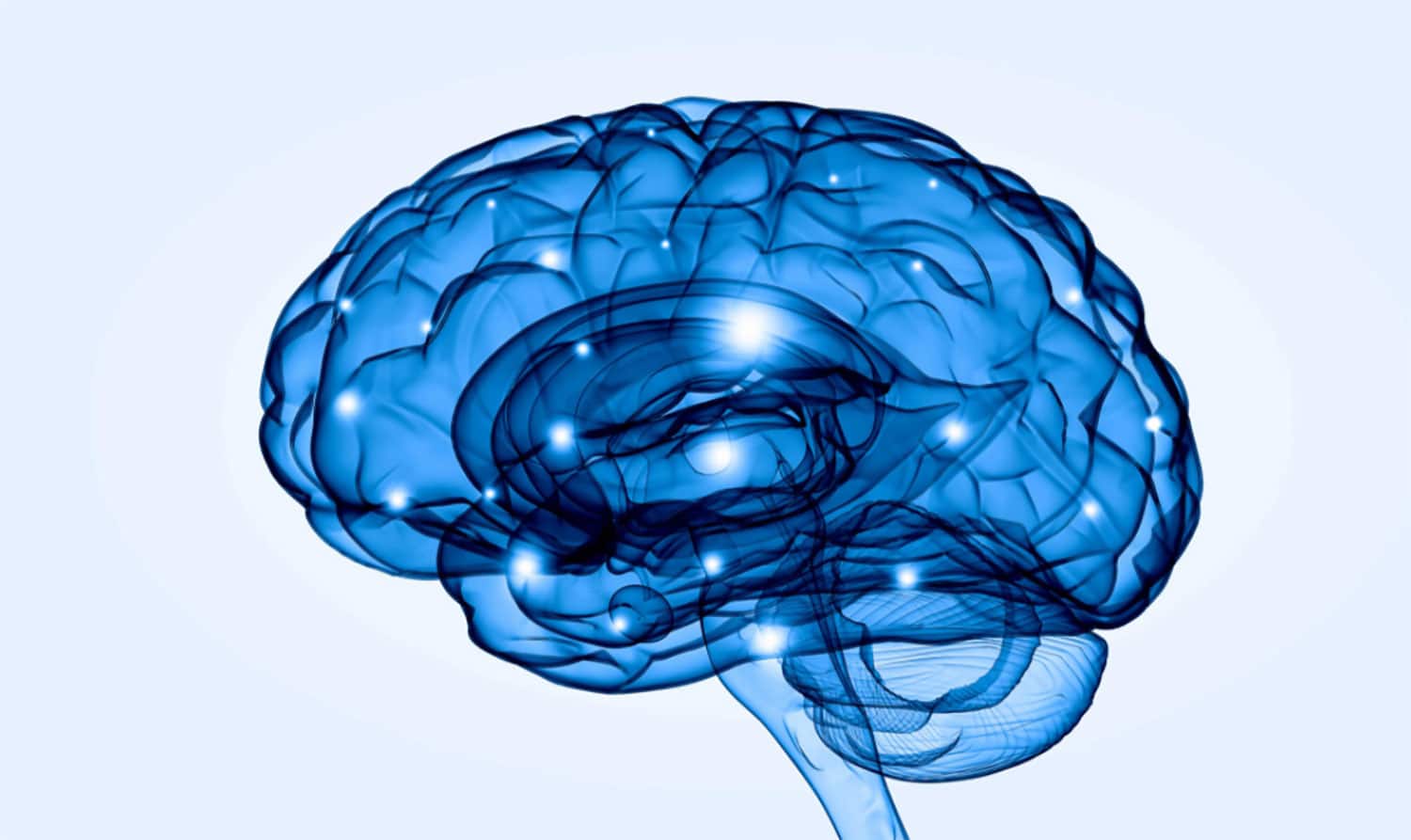
Rose uses Neurotherapy to improve deficiencies in such cases as: concussion, traumatic brain injury, Parkinson, stroke, vertigo, balance disorders, and children with ADHD and learning disabilities. Rose’s system uses simple exercises to communicate to the nervous system in order to create synergy in the brain. The system is based off of the Accomplished Brain’s vestibular and functional medicine practice as well as Dr. Amen’s ‘Brain Health’ program.
We have all heard the left-brain is more verbal memory, reading, math calculations and the right-brain is more visual memory, social skills, body awareness, etc. While the Cortex takes care of our cognitive process, we also have to respect how we physically function; walking, standing up, playing sports, or even managing the commute to work. These daily activities are predominately run through our Brain Stem, eyes, and inner ear workings; the Vestibular System. Rose’s system works in correlation with the Cortex and Spinal Cord to create proper function voluntarily and involuntarily.
The brain is used as a relay center for information. This information, coming in or projecting out, has to run through pathways in the Brain Stem. When rehabbing the brain Rose uses simple physical and visual sensory exercises to either excite or inhibit different relay pathways in the brain in order to promote healing. This includes eye movements, head movements, proprioception, and ELDOA
Lastly, it is important to remember that most of our neurotransmitters -chemicals in the brain that can boost, calm, or balance neurons in the brain- are produced in the gut. Therefore, diet directly affects brain function. Rose gives nutrition and supplementation guidance after a full evaluation.
Background
6 years ago a close family member of Rose suffered a severe concussion from a car accident. She had seen Neurologists, Chiropractors, and even a concussion clinic to help her recover. Most of the practitioners prescribed painkillers, while others did not have any means of rehabilitation. After some time, we were referred to Andrew Amigo of The Accomplished Brain. Andrew was able to cut down her symptoms significantly within 2 weeks. Within a month Rose’s family member was able to functionally go through her day without the symptoms returning.
At that point, Rose knew he had to pursue Amigo to help those in need with neurological disorders. Since 2015, Rose has studied under Amigo, building a strong foundation in vestibular rehabilitation and nutrition. At Rep Athletics, he has combined Amigo’s vestibular and nutritional expertise with Dr. Amen’s brain coaching methods to develop Functional Neurotherapy, an approach designed to support brain health, movement, and overall function.
Success Stories
Testimonial
J. Lambert
Rye Country Day Hockey
Frequently asked questions
Who can benefit from neurotherapy?
Neurotherapy may benefit athletes, active adults, and individuals recovering from concussions or other movement-related challenges. It can also help those looking to improve coordination, balance, reaction time, and overall movement quality.
Can neurotherapy help after a concussion?
Yes. Neurotherapy can be incorporated into concussion rehabilitation by using vestibular exercises, eye and head movement training, and sensory activities to support recovery. Programs are customized to each individual’s needs and are intended to complement medical care, not replace it.
What types of exercises are used during neurotherapy?
Neurotherapy may include vestibular exercises, visual tracking, balance training, coordination drills, sensory integration activities, and movement pattern exercises. These techniques are selected based on your assessment and personal goals.
How is neurotherapy different from traditional fitness training?
Traditional fitness training primarily focuses on strength and conditioning, while neurotherapy emphasizes improving the brain-body connection. The goal is to enhance movement quality, coordination, balance, and overall neurological efficiency alongside physical performance.
What happens during a neurotherapy assessment?
Your first session includes an evaluation of your movement patterns, balance, coordination, posture, and neurological function. The assessment helps create a personalized program that targets your specific needs and performance goals.
How long does it take to see results from neurotherapy?
Results vary based on your condition, consistency, and goals. Some individuals notice improvements in balance, coordination, or movement within a few sessions, while long-term neurological and performance gains develop through continued training.
Can neurotherapy improve athletic performance?
Yes. By improving reaction time, balance, coordination, body awareness, and movement efficiency, neurotherapy can support better athletic performance and help reduce the risk of movement-related injuries.