

Soma Training in Larchmont, NY
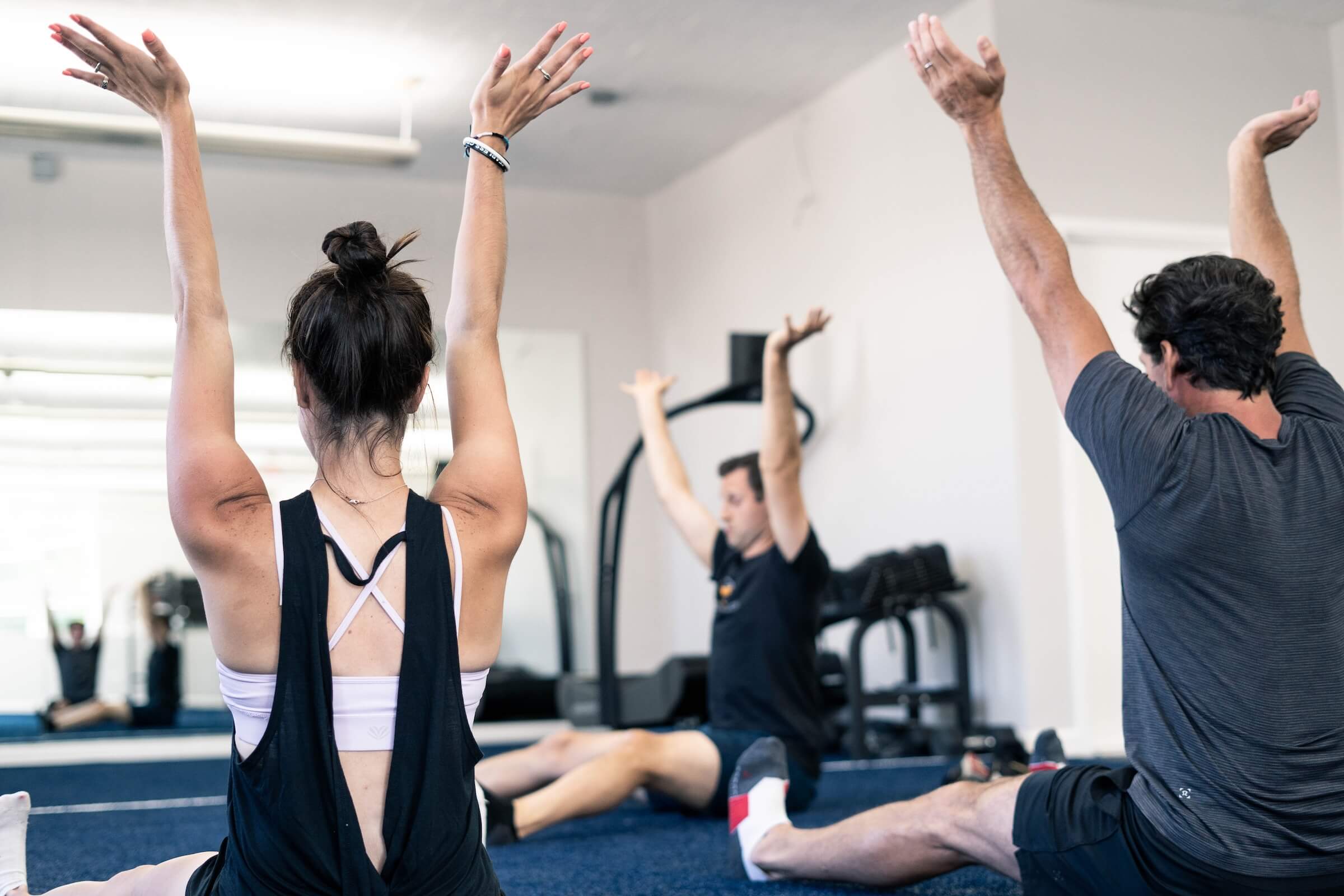
Structure dictates function.
This foundational principle guides our methodology: how your body is aligned and structured directly influences how you feel, move, and perform.
We believe that your spine, is central to optimal movement, pain reduction, and organ health. Instead of passive modalities, we focus on empowering you with exercise and mindful movement strategies that foster resilience, strength, and mobility from the inside out by utilizing the connective tissues around our spine to promote optimal well-being.
soma training is based on the pillars of:
Strengthening the Muscles around the Spine
- The Spine as the Powerhouse of Movement Your spine functions like a locomotive engine—driving your body’s ability to walk, run, and move with purpose. The Spinal Engine Theory suggests that the spine generates rotational forces that propel the body forward, with your limbs acting as supporting mechanisms, thanks to connective tissues (fascia). When your spine moves efficiently, your entire body moves effortlessly.
- Connecting the Carriages of Movement Think of each vertebra as a sturdy train carriage linked to the next via flexible, resilient joints. The intervertebral discs serve as shock absorbers—protecting bones and facilitating smooth movement—allowing your spine to handle both stability and motion through its connective tissues, much like a well-engineered train.
- Balance of Stability and Flexibility A locomotion engine requires both stability (staying on track) and flexibility (navigating curves). We cultivate this balance through targeted exercises that strengthen supporting muscles and ligaments, and utilize the connective tissues as a feedback mechanism to our nervous system.
Myofascial stretching
While it makes sense to stretch muscles that we’ve used after a workout, it’s important to remember that our muscles are encased in a tissue called fascia. This casing is extremely important to our structure and function as it acts as a system of links throughout our body to provide tension that keeps us upright, assists in our athletic performance, and even keeps our organs intact. Fascia is organized like a complex spider web from the top of our skull down to our toes. If there is an imbalance in the system it can cause poor posture as well as joint pain. The more mobile and hydrated the facsia is, the less pain we will have and the more mobile we will be. Myofascial stretching is a great way to preserve healthy joints and ligaments by ensuring gliding of tissues for optimal movement.
ELDOA
The ELDOA Method is the epitome of self-help or what some call “self normalization”. It is a technique that can help reverse the effects of gravity, athletic wear and tear, as well as poor posture.
The ELDOA method was created by world renowned osteopath, Dr. Guy Voyer. It is a French acronym for Longitudinal Osteo-Articular Decoaptation of the Spine. His technique uses principals of tensegrity, biomechanics, and anatomy to create space at targeted junctions in the spine. These postural exercises use an extremely important connective tissue called “fascia” to fix and put into tension parts of the body in order to create separation at a specific junction in the spine. This creates a chain reaction that pulls moisture, nutrients, and oxygen to the disc in between the junction. This reaction promotes a larger environment for the disc to breathe, better disc positioning, and an increase in hydration levels. These exercises can be used for any junction in the spine; L5-S1, C1-C2, S2-S3, etc.
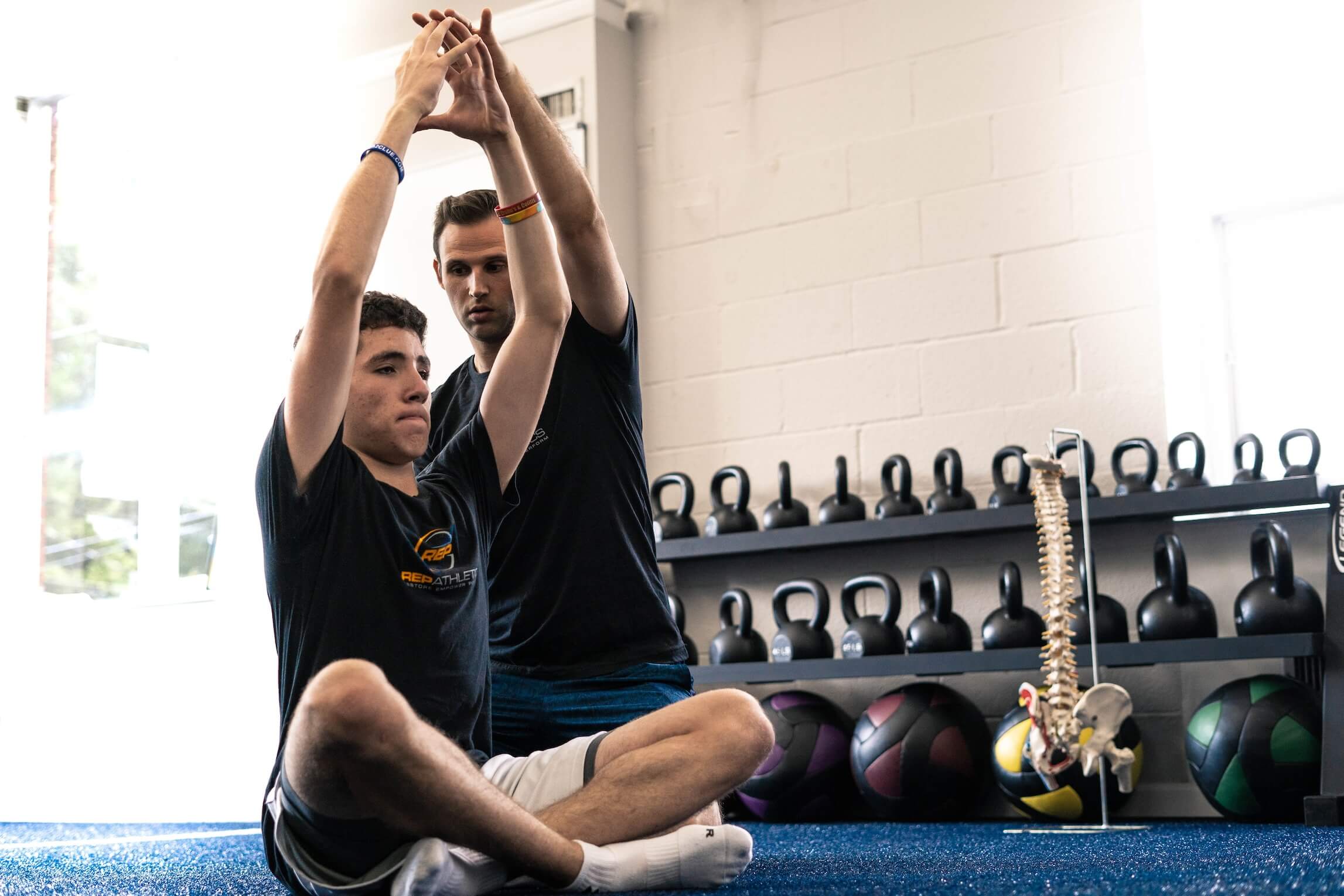
REP Athletics is the only training facility in Westchester County that follows the principles of ELDOA in their programs. Founder Geoff Rose trained under world renowned Osteopath Guy Voyer
testimonials
What Our Clients Say
Glenn D.
Frequently asked questions
Can Soma training help with back and neck pain?
Yes. Soma training is designed to strengthen the muscles surrounding the spine, improve posture, and encourage better movement patterns. Many individuals with chronic back or neck discomfort use these exercises to support long-term spinal health and functional movement. Individual results may vary.
What is the ELDOA method?
ELDOA is a series of specialized postural exercises developed by osteopath Dr. Guy Voyer. The method is designed to create space between specific spinal joints, promote disc hydration, improve posture, and support healthy spinal movement through targeted fascial tension.
How is myofascial stretching different from regular stretching?
Traditional stretching primarily targets muscles, while myofascial stretching focuses on the fascia, the connective tissue surrounding muscles throughout the body. Improving fascial mobility may help reduce stiffness, improve flexibility, enhance posture, and support more efficient movement.
Who can benefit from Soma training?
Soma training is suitable for athletes, active adults, individuals experiencing back or neck discomfort, people looking to improve posture, and anyone who wants to move more efficiently. Programs are customized based on each person’s movement assessment and goals.
Is Soma training only for people with pain?
No. While many people begin Soma training to address discomfort, it is also used to improve athletic performance, increase mobility, enhance body awareness, and help reduce the risk of future injuries through better movement mechanics.
What happens during a Soma training assessment?
Your first session includes an evaluation of your posture, spinal alignment, mobility, flexibility, strength, and movement patterns. This assessment helps create a personalized training program that addresses your specific needs and goals.
How long does it take to see results from Soma training?
Results vary depending on your condition, consistency, and goals. Many people notice improvements in posture, mobility, and movement within the first few weeks, while lasting strength and movement improvements typically develop with continued training over several months.