

May, 2024
Everybody knows that exercise keeps people physically healthy. People often overlook that exercise can also keep you mentally healthy. Research shows that people who exercise regularly have better emotional and mental wellbeing, and lower rates of mental illness (Richardson, 2005, link below) . Exercise also seems to reduce the risk of developing mental illness, as well as have the ability to treat mental health conditions, such as depression or anxiety. Research shows that physical activity can be just as effective as antidepressants and other psychological treatments (Richardson, 2005, link below).
Why does physical activity make us feel better mentally? People who exercise regularly say that it just makes them feel good. Exercise can boost your mood, concentration, and alertness. But what really happens when you exercise? All kinds of chemical changes in your brain (endorphins, serotonin, stress hormone levels) occur when you exercise, as well as reducing inflammation and increasing neural growth. It can also help you sleep better, and better sleep helps you manage your mood. Going to the gym can also be seen as a distraction from negative thoughts and also an outlet for stress and frustration.
When exercising becomes a habit, your mind and body will benefit a lot more. Meeting exercise goals can make you feel stronger and more powerful, increasing your self worth and giving you a sense of achievement. One of the major causes of mental health is negative coping behaviors. When faced with mental or emotional challenges, exercising helps you cope positively and build resilience, as opposed to negative coping behaviors such as drugs or alcohol.
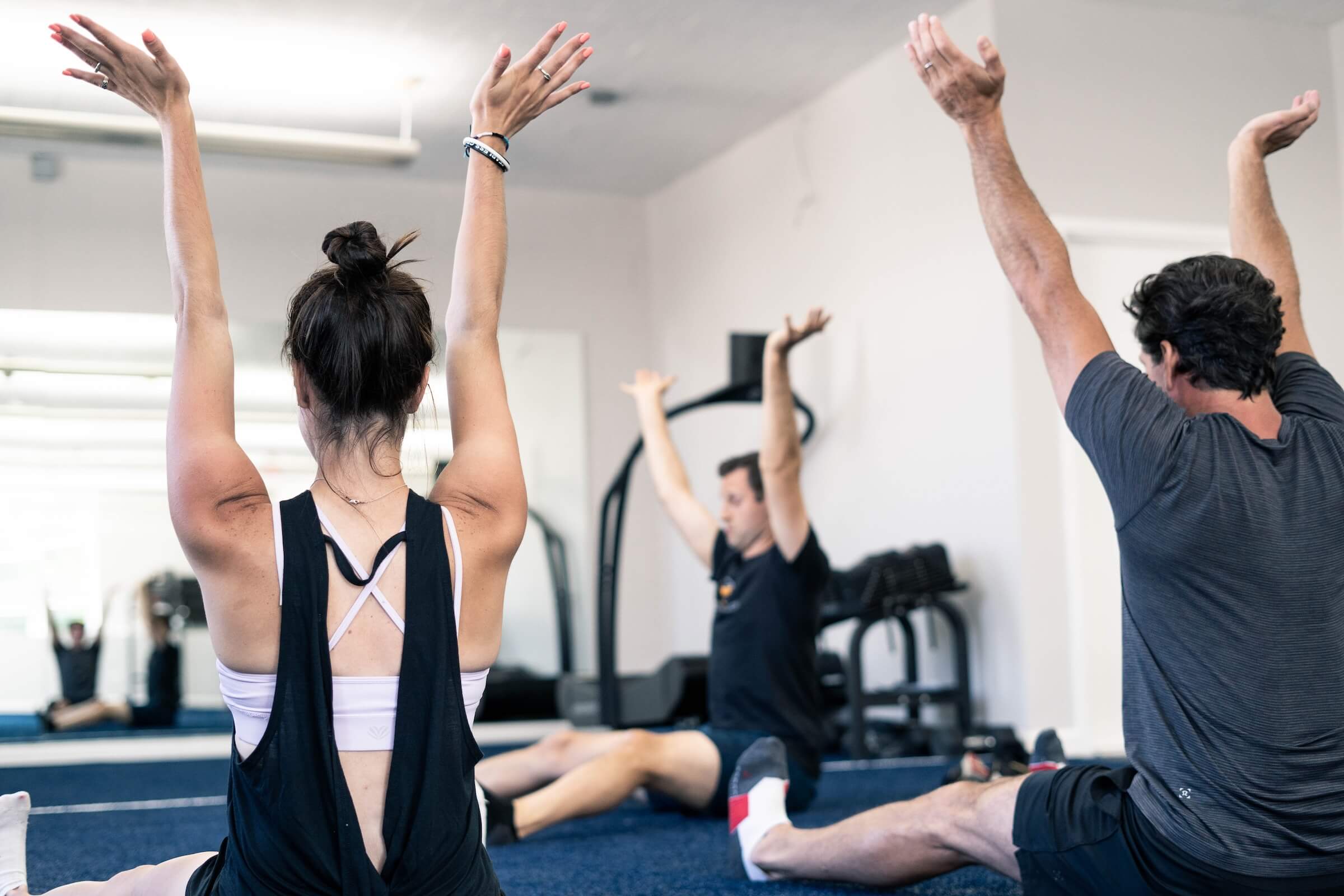
But exercise doesn’t have to be intense and long-lasting to be effective. Studies show that low to moderate intensity exercise is enough to make a difference in your mood and thinking patterns. Any exercise is better than none. A recent study done by Harvard found that running for 15 minutes a day or walking for an hour reduces the risk for depression by 25%. Going for a light walk, or other activities such as yoga and stretching, can also have huge benefits on your mind. Recent studies have shown that after walking outside, people reported a higher level of enthusiasm, pleasure, and self esteem, with lower levels of tension, fatigue, and depression.
As for anxiety, exercise is a natural anti-anxiety treatment. Relieving tension and stress, boosting physical and mental energy, simply going for a run enhances your well-being. But it’s a lot more effective in treating anxiety specifically if you just pay attention. Take notice of the little things such as feeling the sensation of your feet hitting the ground, or the rhythm of your breathing, or how the wind feels hitting your face. Doing this can easily interrupt the constant flow of worries and stress in your mind.
Relieving stress with exercise works similarly. Do you ever notice how your body feels when you are under stress? Tense muscles, painful headaches, insomnia or heartburn are all common symptoms. Exercising is an easy way to cure this. Physical activity relieves tension in the body, relaxing your muscles, and since your body and your mind work together, as your body relaxes, your mind will too.
Some easy ways to get exercise if you don’t know where to start are simple household activities. If you’re really not feeling up to going for a walk or run, or working out, cleaning your house or yard is a fine way to start getting your energy up. After this, start going on walks whenever you can. Using stairs instead of elevators and avoiding driving to get a little bit of exercise works, even if it means parking a few blocks early. One effective way to exercise is doing activities with family. Taking a bike ride, going canoeing, or playing with your kids in the yard are all great ways to get exercise and socialize with the people you love. You don’t have to force yourself through hours in the gym just to experience the benefits. Just simply finding the activities that you enjoy will help you get more out of life.
Research Studies :